
Saudi Industrial Real Estate Occupancy Exceeds 90% in Q2 2026
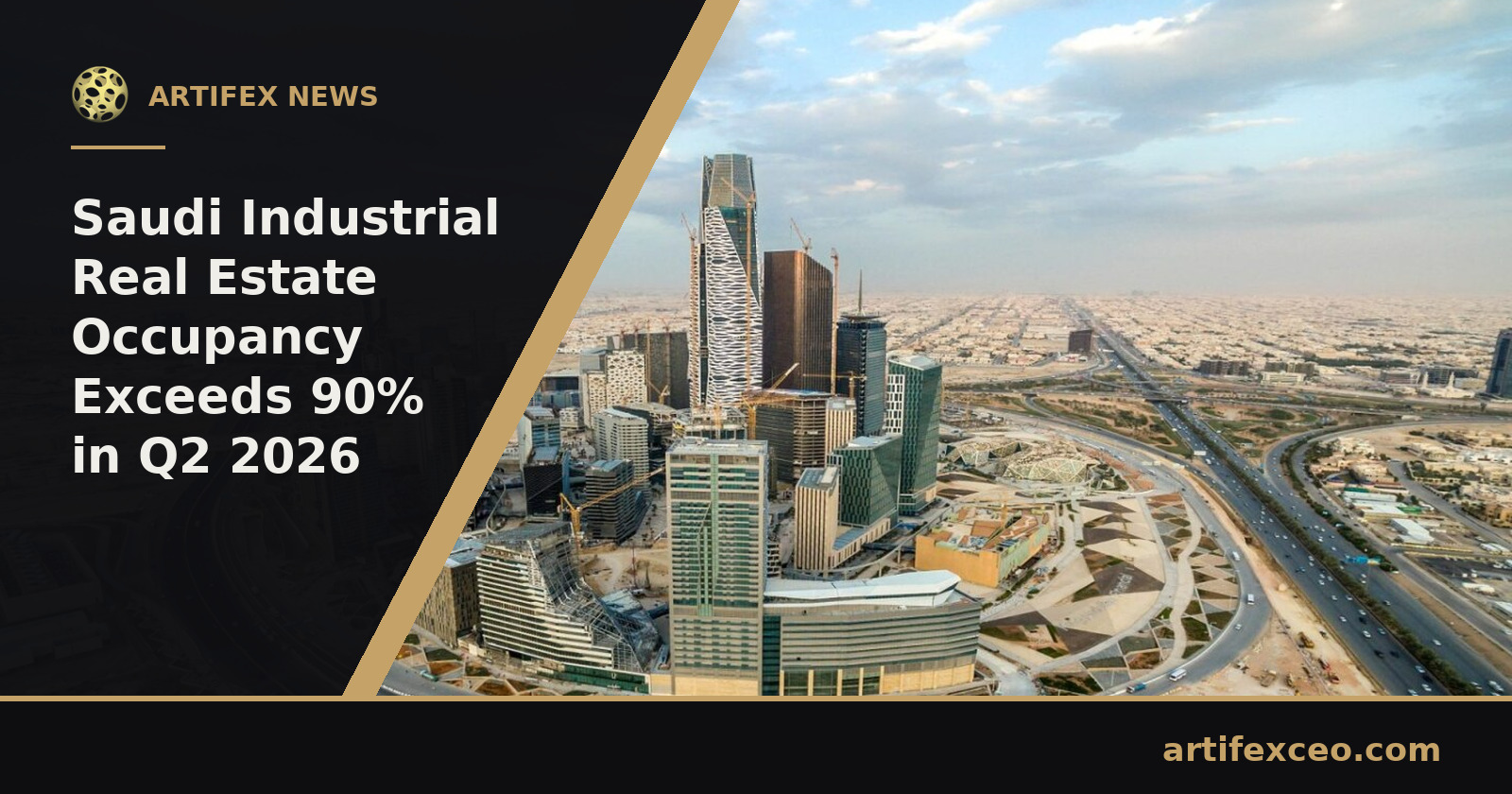
The industrial real estate and logistics market in Saudi Arabia is experiencing significant growth, as highlighted in JLL's latest report. This growth is attributed to the expansion of industrial activities, increased demand for strategically located spaces, and changes in regional trade patterns. The report, titled 'Dynamics of Industrial Real Estate Market in Saudi Arabia during the Second Quarter of 2026,' emphasizes the Kingdom's strong investor confidence and progress towards Vision 2030 goals, which aim to diversify the industrial base and strengthen Saudi Arabia's position as a major logistics hub.
JLL notes that the expansion of the Kingdom's industrial facilities has been reflected in the real estate market, maintaining high occupancy rates in key markets. The multi-port network in Saudi Arabia provides greater flexibility to tenants, helping them mitigate risks associated with regional disruptions. Saud Al-Suleimani, Executive Director and Head of Capital Markets at JLL Saudi Arabia, highlighted the logistics sector's adaptability, supported by national policies and strategic investments in port infrastructure, which align with Vision 2030 objectives.
During the second quarter of 2026, the number of industrial facilities in Saudi Arabia increased to approximately 13,660, up from 12,290 in the same period the previous year. JLL believes this expansion reflects tangible progress towards Vision 2030 targets, creating additional demand for industrial real estate through lease renewals and new market entries.
Occupancy rates in Riyadh, Jeddah, and Greater Dammam exceeded 90% in the second quarter. This high occupancy reflects strong tenant demand and a structural imbalance between supply and demand. Rental levels also rose, with Jeddah seeing a 4.8% increase, Riyadh 3.9%, and Dammam 6.9%. The Al-Bawaba Industrial City complex recorded the highest rental rate at 300 SAR per square meter annually.
The second quarter also saw shifts in logistics service demand, with shipping traffic redirected to Saudi ports on the western coast due to regional turmoil. Jeddah Islamic Port and King Abdullah Port in Rabigh emerged as key hubs, reinforced by Mediterranean Shipping Company's new 'Middle East Express' service, providing a direct route from Europe to the Red Sea.