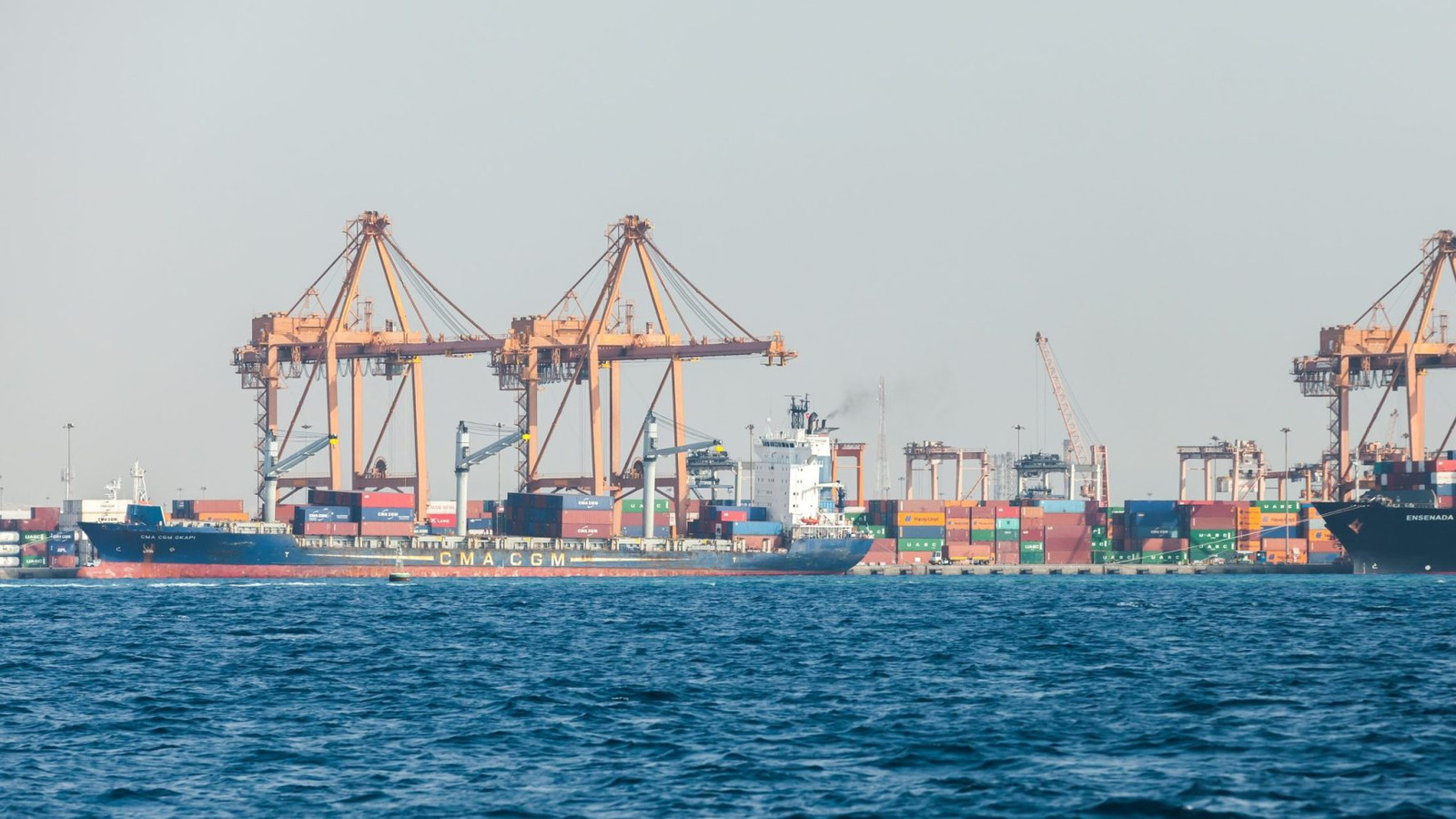
DP World deploys 17 electric cranes at Jeddah Islamic Port
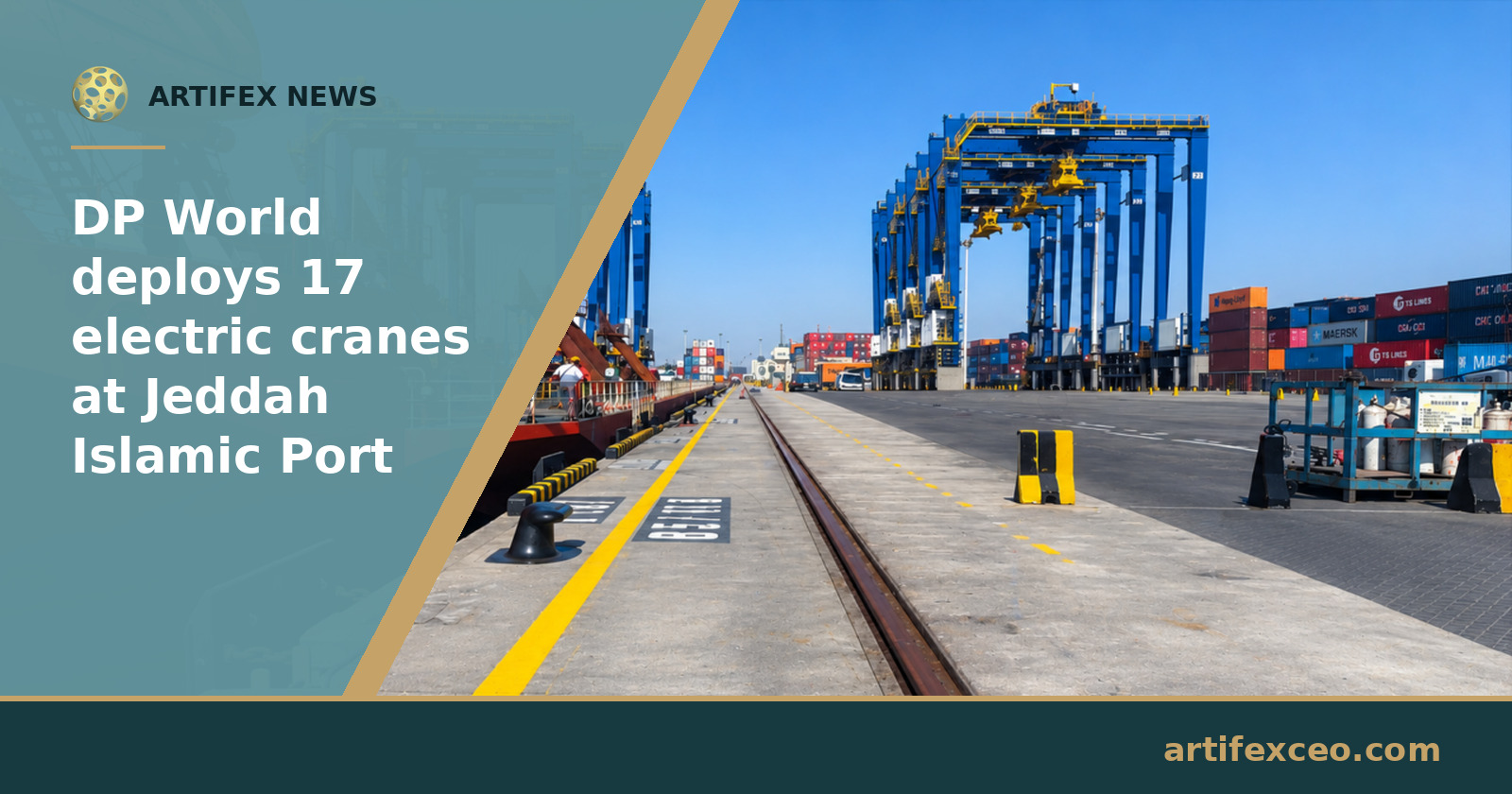
DP World has deployed 17 automated electric rubber-tyred gantry (AeRTG) cranes at its South Container Terminal at Jeddah Islamic Port. The move is described as a step towards more efficient, lower-emission port operations in Saudi Arabia.
The cranes represent a US$56 million investment. It is designed to improve container-handling efficiency, enhance operational reliability and reduce the environmental impact of yard operations. According to industry reports, the cranes are expected to cut annual CO₂ emissions per crane by approximately 64 per cent compared with conventional diesel-powered equipment.
The deployment is part of a wider US$800 million modernisation programme at the terminal. The programme includes infrastructure improvements, expanded yard capabilities and plans to raise annual container-handling capacity to five million twenty-foot equivalent units (TEUs). It has already expanded the terminal's handling capabilities and introduced advanced automation and digital systems.
The cranes combine advanced automation, intelligent positioning and remote-control technology to move containers with greater precision and consistency. Operators manage them from dedicated control stations. The fully electric drive systems eliminate direct diesel exhaust emissions during operation and help reduce noise levels.
After this deployment the terminal's fleet comprises 77 rubber-tyred gantry cranes, of which 50 are electric and automated units, approximately 65 per cent of the total.
Mohammad Alshaikh, chief executive of DP World KSA, said the investment would strengthen the terminal's competitiveness while helping it accommodate growing trade volumes with a lower environmental footprint.
Jeddah Islamic Port is a critical maritime gateway connecting Saudi Arabia to regional and international markets. Continued investment in terminal infrastructure and technology is intended to improve cargo flows, support shipping customers and strengthen supply-chain connectivity. The expansion is aligned with Vision 2030 ambitions to diversify the economy and establish the Kingdom as a leading global trade and transport hub.
Further capacity expansion is planned, and the South Container Terminal is positioned to play a growing role in supporting Saudi trade across the Red Sea and beyond.