
Saudi Arabia's Real Estate Market Opens to International Investors
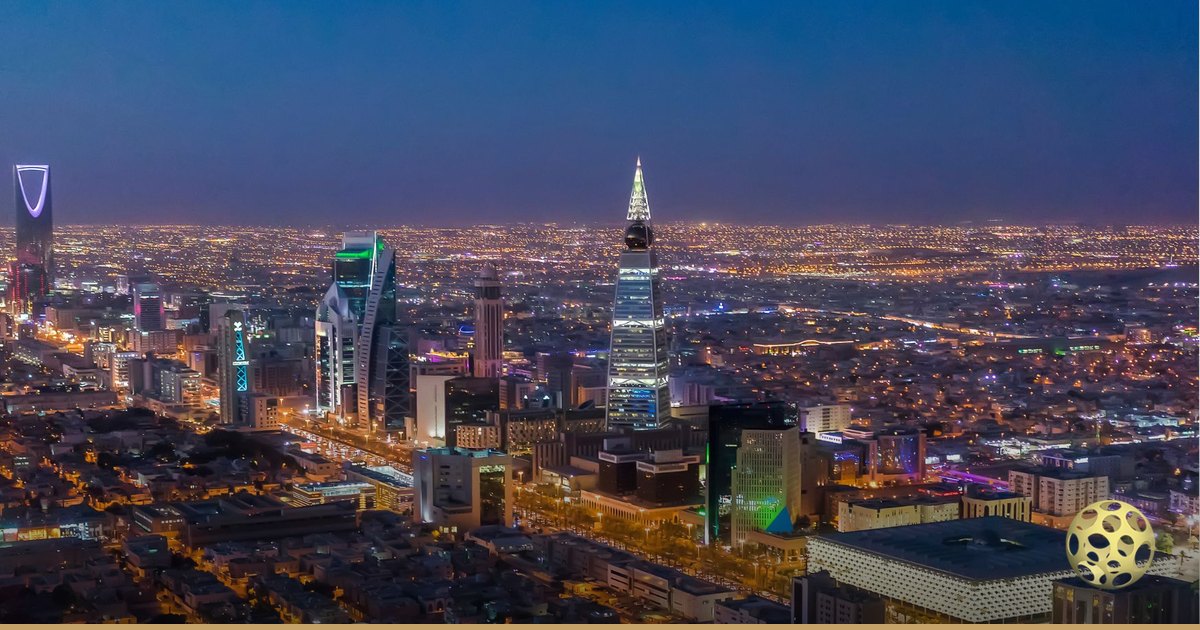
Saudi Arabia's real estate market is entering a new phase with the introduction of the Law of Real Estate Ownership by Non-Saudis which came into force on January 22, 2026. This law, along with its Executive Regulations and approved geographic scope, provides a structured route for foreign investors to acquire ownership and other real estate rights in designated areas of the Kingdom. The Saudi Properties platform is now operational, serving as the authoritative source for reviewing the approved geographic scope and conditions applying to particular areas.
The Kingdom has also strengthened its White Land Fees regime, which increases the potential annual charge on qualifying undeveloped urban land to as much as 10% of its assessed value. This policy aims to increase the supply of developed land, discourage the prolonged holding of undeveloped sites, and encourage development or sale. These reforms, while operating from different directions, may have a mutually reinforcing effect by expanding the pool of potential investors and increasing the economic cost of leaving urban land undeveloped.
The new regime introduces a rules-based model under which foreign investors may acquire ownership and other in-rem rights within an approved geographic scope, subject to applicable conditions, ownership limits, and registration requirements. The designated areas include important urban, tourism, mixed-use, and giga-project locations, supporting the Vision 2030 objective of attracting foreign capital and private-sector expertise into the development of the Kingdom’s cities and infrastructure.
The Law permits eligible non-Saudis to acquire real estate ownership and other in-rem rights, which may include full ownership, usufruct, an easement, or another registrable real estate right. However, Saudi real estate ownership is a statutory right subject to geographic, regulatory, and registration requirements that may affect development, financing, operation, and exit. The correct structure for acquisition will depend on more than ownership eligibility, including considerations of land, equity, development responsibility, financing, governance, project revenues, and exit rights.
For a developer: These reforms present significant opportunities for international developers, construction companies, and other stakeholders who can combine technical expertise with an appropriate Saudi investment and project structure. The liberalization of foreign participation in the real estate market, along with the White Land Fees regime, creates a conducive environment for development and investment in Saudi Arabia.