Saudi railways carry 40.9 million passengers in Q3 2026
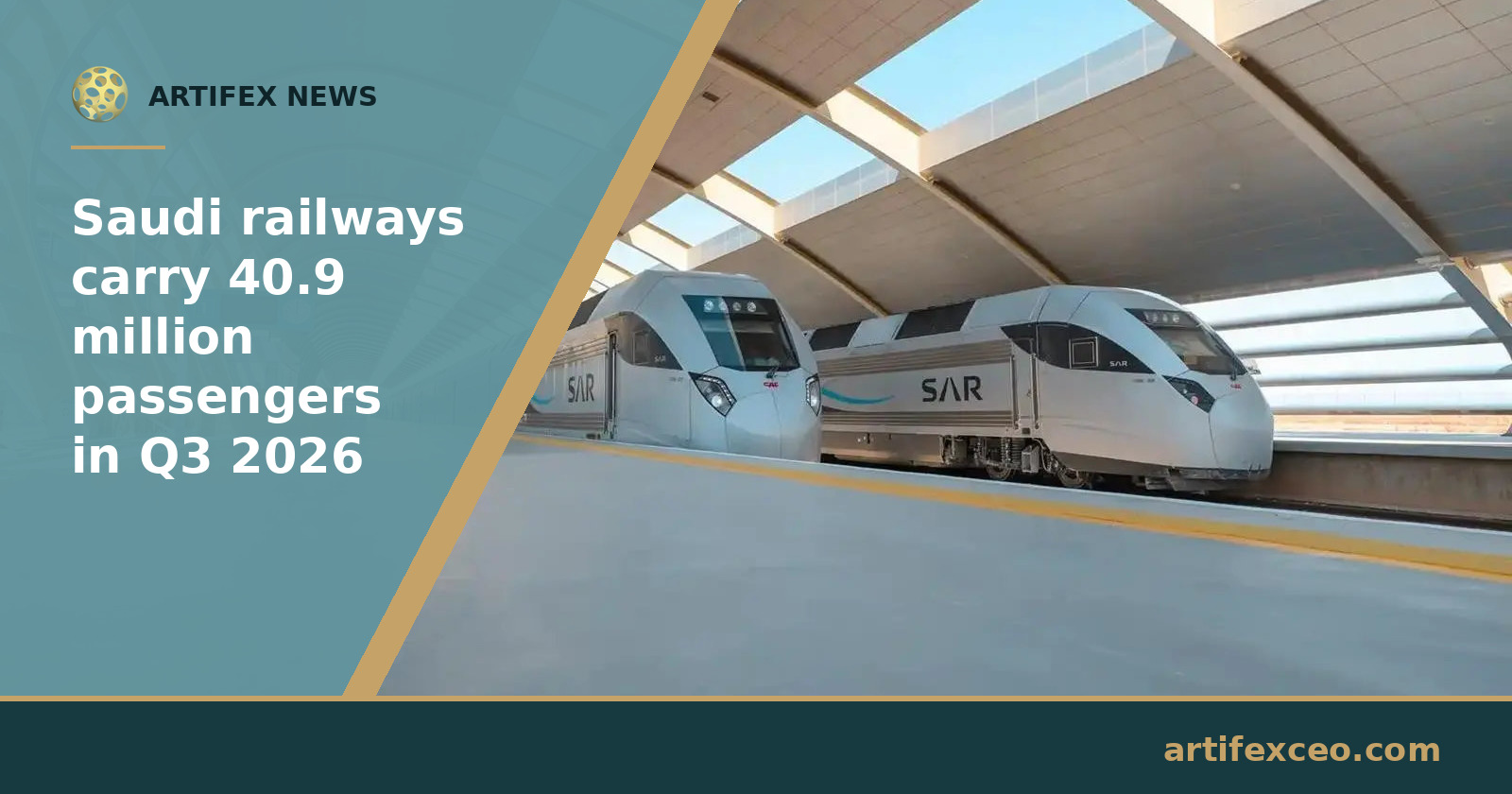
Saudi Arabia’s railways carried more than 40.9 million passengers in the third quarter of 2026. The network also transported 3.9 million tons of freight and 46,300 containers. The figures come from a quarterly report by the Transport General Authority (TGA).
Passenger numbers increased compared with the same period a year earlier, the report said. Rail services carried passengers on both intra-city and intercity journeys. Intra-city services accounted for 38.3 million passengers during the quarter.
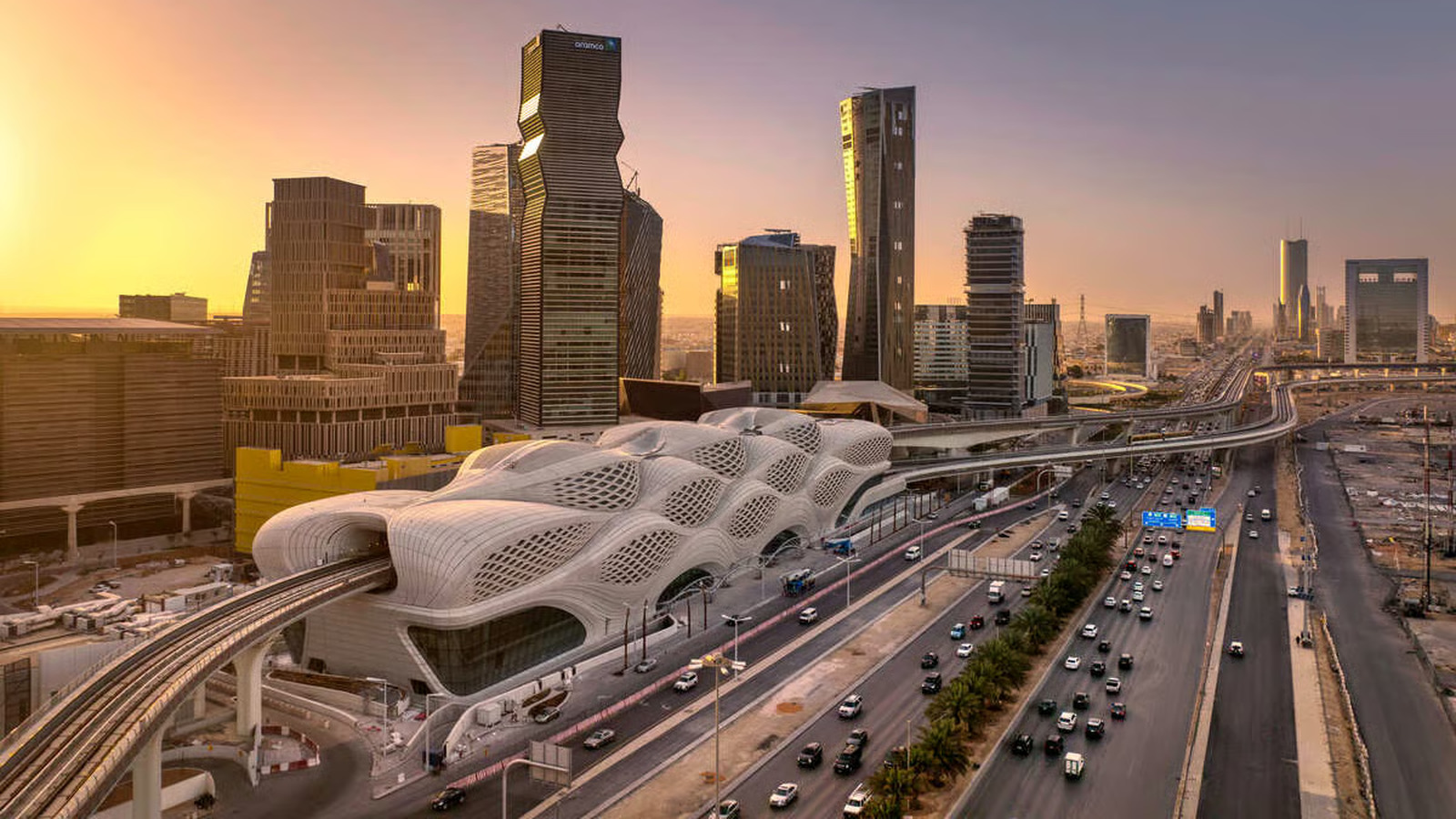
Riyadh Metro carried 30.4 million passengers, the largest reported total among the intra-city services. The King Abdulaziz International Airport Automated Train served seven million passengers. The Princess Nourah bint Abdulrahman University line carried approximately 911,200.
Intercity rail services carried more than 2.5 million passengers, connecting major cities and destinations across the Kingdom. The Haramain High Speed Railway carried more than 1.9 million passengers. Its route links Makkah and Madinah via Jeddah, King Abdulaziz International Airport and King Abdullah Economic City.
Saudi Arabia Railways’ Eastern Network served approximately 393,900 passengers. It links Riyadh, Abqaiq, Hofuf and Dammam. The Northern Network carried 258,600 passengers and connects Riyadh, Al-Majmaah, Qassim, Hail, Al-Jouf and Al-Qurayyat.
The report also records the network’s freight activity: 3.9 million tons of goods and 46,300 containers moved during the quarter. The article describes rail as supporting logistics operations across the country. It does not provide a breakdown of freight or container volumes by route.
The article also reports a separate Riyadh Metro expansion announcement made earlier in October. The Royal Commission for Riyadh City said it had signed contracts with Germany’s Siemens and France’s Alstom to manufacture and equip 94 new trains, at an investment of nearly SAR 5.5 billion ($1.5 billion). The procurement is described as the first phase of a wider rolling-stock expansion.
The new trains are expected to increase the fleet from 183 to 277 train sets, with deliveries beginning in batches from 2028. Each batch is to undergo testing and operational trials before entering passenger service. The expansion is intended to raise the network’s overall passenger capacity by 60 percent.
Capacity increases are planned by line rather than evenly across the network: 142 percent on the Red Line, 116 percent on the Yellow, 60 percent on the Blue, 27 percent on the Orange and 16 percent on the Purple. RCRC CEO Ibrahim bin Mohammed Al-Sultan said daily capacity would rise from about 340,000 to roughly 533,000 passengers on the Blue Line, from around 154,000 to 370,000 on the Red, and from about 133,000 to more than 288,000 on the Yellow. The article says the network was designed to accommodate additional rolling stock, enabling capacity and train frequency to increase as demand grows.