Construction
Al-Jadaan: non-oil activity reaches record 57.7% of GDP as 2027 budget nears approval
Finance Minister Mohammed Al-Jadaan told a Riyadh press conference that non-oil activity hit a record 57.7% of GDP, with the 2027 budget projecting SR1.202 trillion in revenue against SR1.392 trillion in spending.
ARTIFEXNews desk, Madinah
- Published
- Place
- Saudi Arabia
- Topic
- Business
- Reading time
- 4 min
StatusStated by the Minister of Finance at an official government press conference, ahead of the budget's approval.
Minister of Finance Mohammed Al-Jadaan addressed a government press conference organised by the Ministry of Media in Riyadh on Tuesday, on the eve of the approval of the state's general budget for fiscal year 2027. He set out the main features of 2026 financial and economic performance, the 2027 budget, medium-term public finances, the spread of expenditure across sectors and the growth outlook.
He said the 2027 budget priorities are continuing essential services for citizens, improving quality of life, directing support to eligible groups, empowering the private sector, stimulating growth and safeguarding the nation's achievements. Estimated 2027 revenues stand at SR1.202 trillion against projected expenditure of SR1.392 trillion, a deficit of about SR190 billion.
For 2026, he said estimates point to expenditure of about SR1.436 trillion and revenue of SR1.191 trillion, a deficit of SR245 billion, around 4.9 percent of GDP. GDP contracted by 2.1 percent because of lower oil production, but non-oil GDP kept growing and reached 57.7 percent of total GDP, the highest share since records began. He named technology, tourism, industry and military industries among the sectors driving diversification.
On the indicators, he said employment of Saudis in the private sector rose 7 percent on last year, and profits of listed companies rose 17 percent through the third quarter. The Purchasing Managers' Index reached 54 points in October, above the G20 and GCC averages. The number of micro, small and medium enterprises grew 4 percent between the end of 2025 and the second quarter of 2026, to 1.832 million.
On finance and banking, government deposits with the Saudi Central Bank were held at SR399 billion, and the central bank's foreign reserve assets reached SR1.7 trillion by the end of the first half. Bank credit expanded by about 7 percent and non-performing loans stayed below 1 percent. Inflation is expected at 1.8 percent this year, even as the IMF raised its 2026 global inflation forecast from 4.1 to 4.7 percent.
He said non-oil activities grew 2.8 percent in the first quarter before being hit by a geopolitical crisis and the near-total closure of ports in the Kingdom's eastern region. Growth resumed in the third quarter after import and export traffic was redirected to western ports. He expects non-oil GDP growth of 2.5 percent by year-end.
The Kingdom implemented more than 200 interventions covering policies, procedures, regulations and financing, including facilities from national funds to keep liquidity available for working capital and imports of food, supplies and production inputs. A royal decree reactivated the SANED programme for an initial three months, and a ministerial committee was formed to respond quickly to business sectors' needs and exemptions.
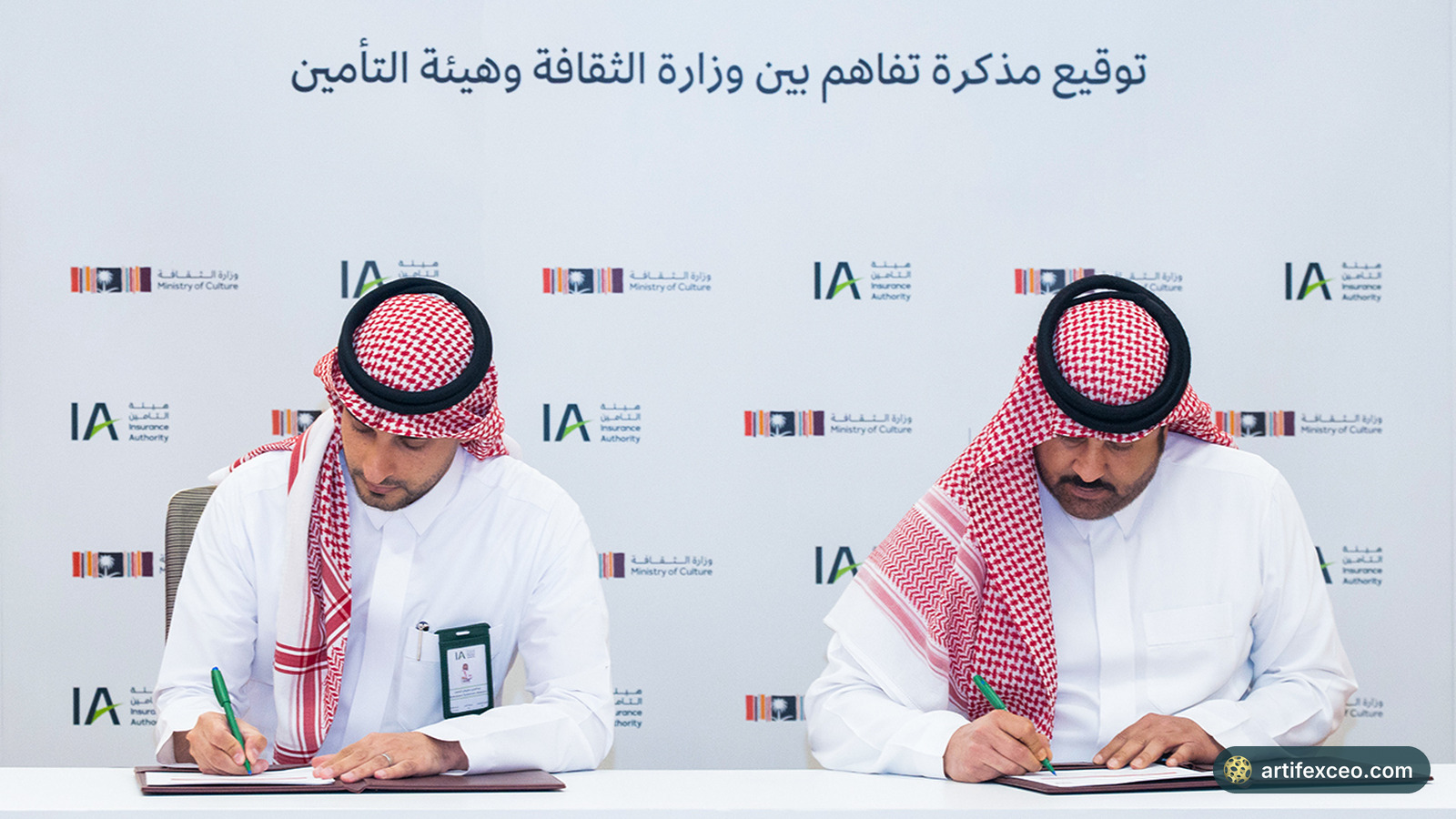
For the first time the government set up an insurance pool with the Insurance Authority and national insurers to cut insurance costs for shipments arriving at Saudi ports. It has lowered costs by about 50 to 60 percent, with the full effect expected gradually as new policies are issued. Efforts to ease flows through Red Sea ports include streamlined customs, easier truck movement, simpler inspections and stronger coordination between countries.
On spending, education, health, social development and municipal services will receive about SR544 billion in 2027. Military expenditure is estimated at SR263 billion, about SR9 billion above the end of the current year. Medium-term projections for 2028 and 2029 are meant to give the economy and private sector a clear picture of spending directions.
He projected GDP growth of 10 percent in 2027, down from the 12 percent in the preliminary budget statement, because higher oil production in the last three months of this year raised the comparison base. Growth is expected to come from higher oil output and continued non-oil expansion. Nominal GDP is expected to reach about SR5.364 trillion by the end of this year, with inflation at 2.3 percent next year.
He added that private sector investment grew faster through the third quarter of 2026 than a year earlier, independently of government and Public Investment Fund spending.