
Development advisory
Feasibility, product strategy and project structuring — the questions a developer asks before committing.
Most projects that fail were decided badly rather than drawn badly. The brief arrived already wrong: the wrong product for that plot, the wrong phasing for that capital, a yield assumed rather than tested.
Being architect and developer in one head changes what gets asked. What does this cost to run, not just to build. Who operates it in year ten. What happens to the ground floor if the anchor tenant leaves. Those are drawing decisions and money decisions at the same time, and separating them is where the loss usually comes from.
This work does not include promising a return. Risk can be reduced by assembling a project properly; anyone guaranteeing yield is selling something else.
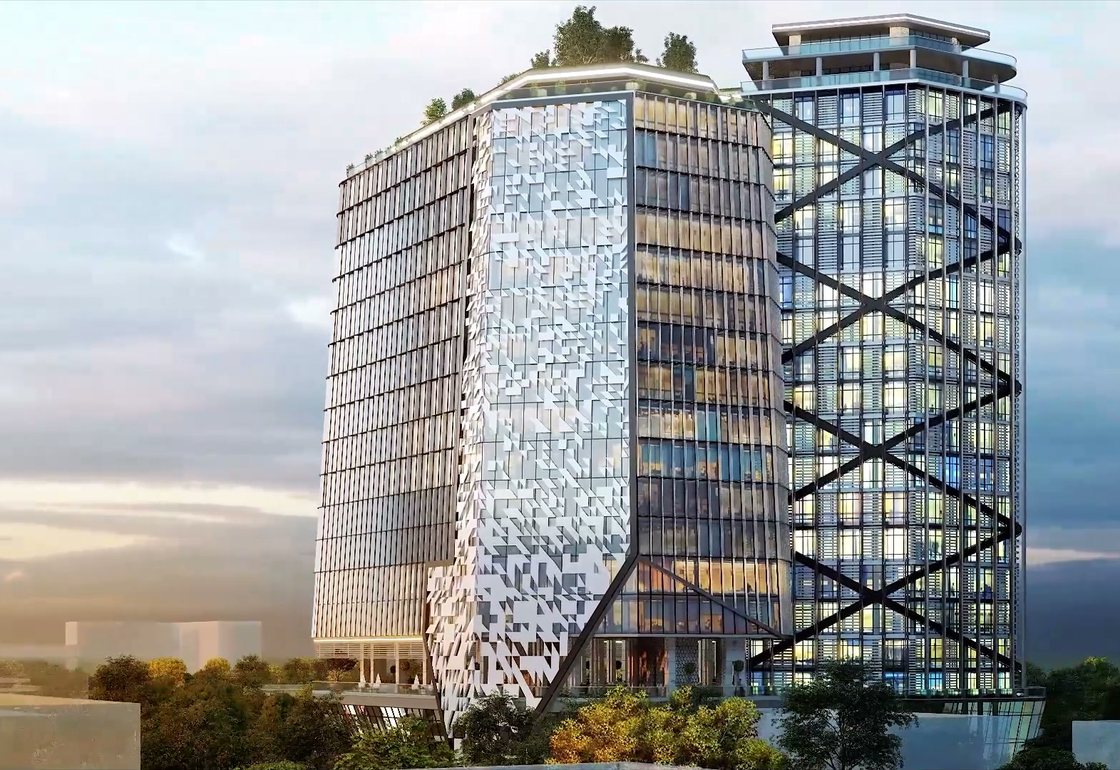
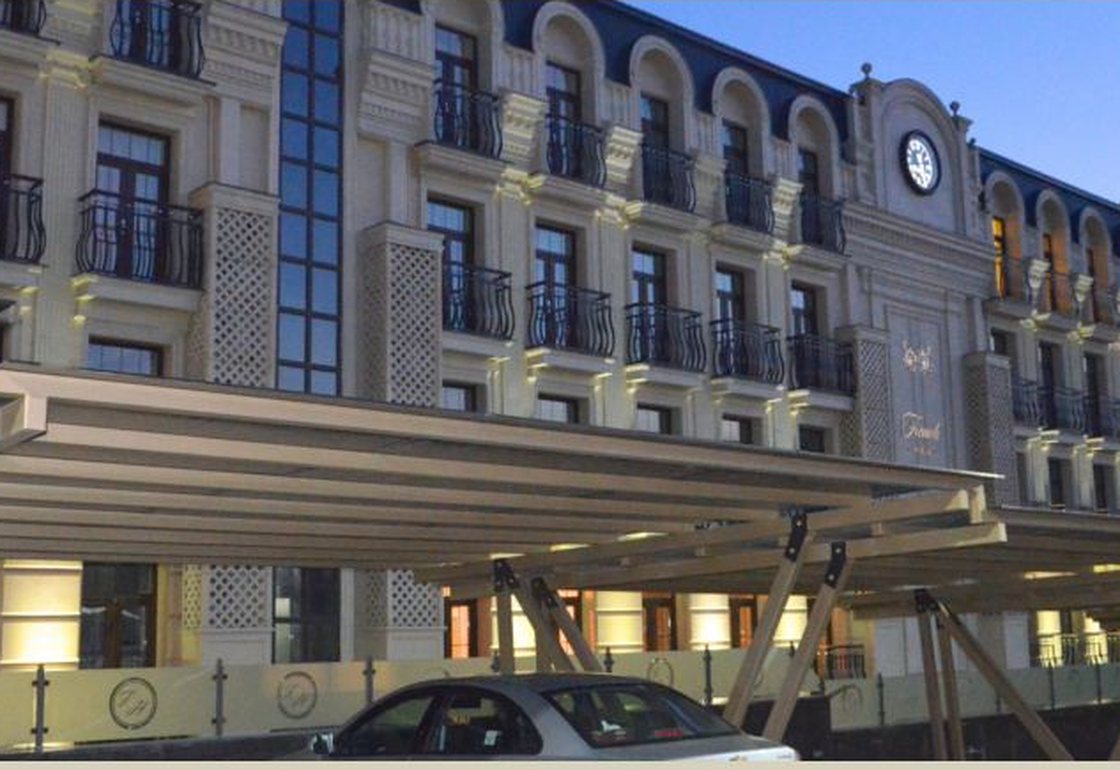
Click any frame to open it full size
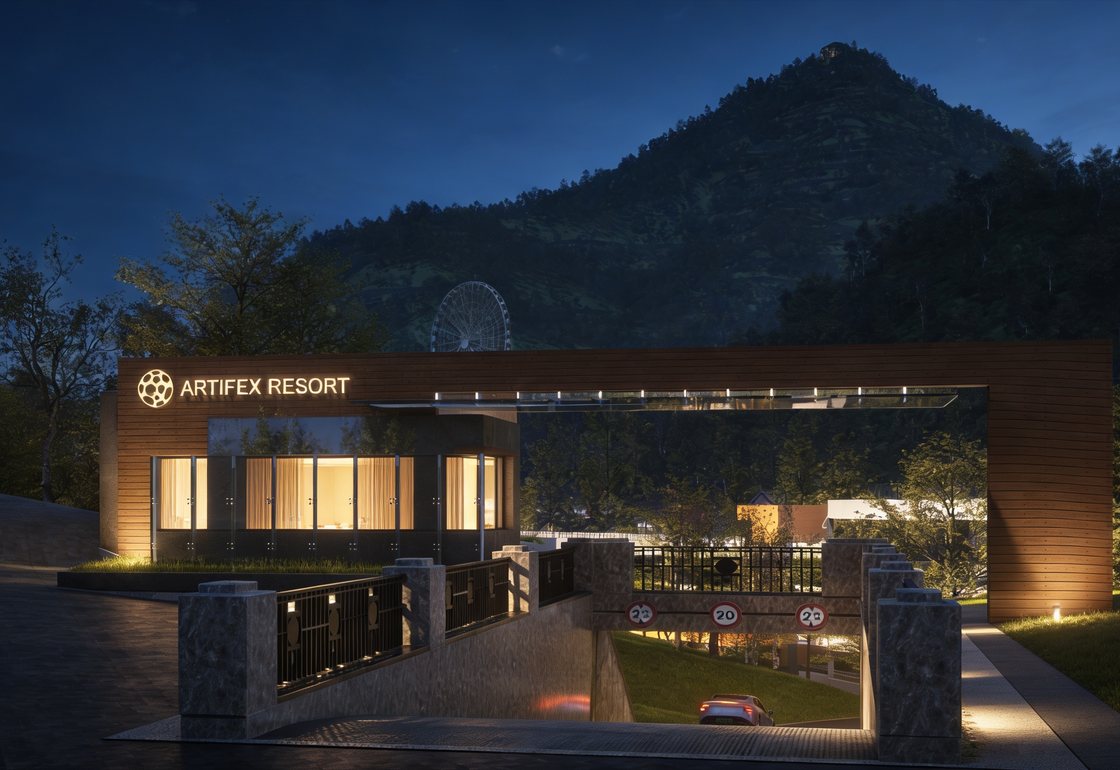
ARTIFEX Resort — the practice as its own client
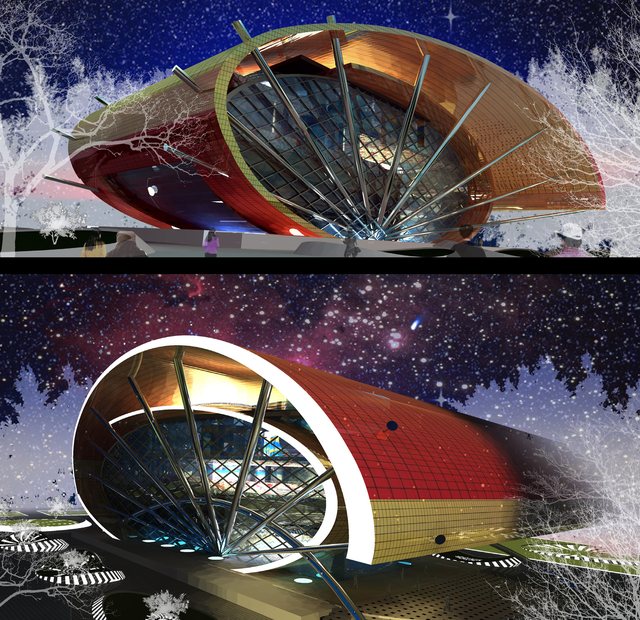
A mountain resort was planned as a whole settlement rather than a hotel: terraced villages, standalone villas, a cable car, a leisure spine and the arrival sequence tying them together. What makes it useful as an example is who carries the consequences. Because the practice is its own client here, every operating cost lands on the same balance sheet as the design decision that created it — the cable car's running cost, the villages' servicing distances, what the leisure spine costs to keep open in low season. That is the discipline this work brings to somebody else's project: asking what it costs to run, not only what it costs to build.
- Site and product assessment: what this plot should become, and what it should not
- Order-of-magnitude programme and phasing options
- Mix and product strategy — which uses pay for which hours of the day
- Operating-cost view alongside the build cost
- Project structuring and the sequence of decisions to be taken
- An honest list of what is still unknown, and what would resolve it
Before a plot is committed, through to a structured project
Whether the plot is already bought, how the capital is structured, and how many uses the scheme has to carry.
Do you guarantee a return?
No, and anyone who does is selling something else. Risk can be reduced by assembling a project properly; yield cannot be promised.
Why does the architect ask financial questions?
Because they are the same questions. What it costs to run, who operates it in year ten, what happens to the ground floor if the anchor tenant leaves — those are drawing decisions and money decisions at once, and separating them is usually where the loss comes from.
Can you tell me a plot is a bad idea?
That is most of the value. Most failed projects were decided badly rather than drawn badly: the wrong product for that plot, the wrong phasing for that capital.
Do you invest alongside clients?
The practice develops its own projects, so the question is answered case by case rather than as a rule.
What do you need from me to start?
The plot, whatever you already know about it, and what you are trying to achieve. Not a brief — a brief is often the thing that needs testing.
How does this connect to the design work?
Directly. The advisory work sets the constraints the design then has to satisfy, which is why both sit in the same head rather than being handed between two firms.
What does development advisory deliver?
A site and product assessment (what the plot should become, and what it should not), order-of-magnitude programme and phasing options, a mix and product strategy, an operating-cost view alongside the build cost, project structuring and the sequence of decisions to be taken, and an honest list of what is still unknown.
When should I bring you in?
Before a plot is committed. The work runs from there to a structured project.
What decides the scope of the advisory work?
Whether the plot is already bought, how the capital is structured, and how many uses the scheme has to carry.
Why do most development projects fail?
Most were decided badly rather than drawn badly: the brief arrived already wrong — the wrong product for that plot, the wrong phasing for that capital, a yield assumed rather than tested.
Has the practice carried these decisions itself?
Yes. Qamchiq Mountain Resort is the practice's own development, in design, with ARTIFEX as client and designer, so every operating cost lands on the same balance sheet as the design decision that created it. It is not built, not consented and not for sale.
What is on the list of unknowns?
The open questions, written down and handed to you: approvals not yet obtained, surveys not yet carried out, assumptions currently standing on nothing. It is kept until each item is answered.
Who carries which risk?
The practice carries the drawing: that the design is buildable, coordinated and drawn for the approval it will face. The client carries the capital and the timing. Neither controls regulation that changes, the cost of money, the construction market or an authority's calendar — those are named at the start and never promised away.
Worth a conversation?
If this is close to something you are working on, the fastest useful step is a short call — site, stage, what you are deciding. It commits you to nothing.