Construction
CBRE: Saudi real estate stays resilient in Q3 2026 as offices tighten
CBRE Middle East's Q3 2026 review finds Saudi real estate resilient, with offices near full occupancy, residential mixed, logistics rents rising 15–17% and domestic tourism supporting stable hotel performance.
ARTIFEXNews desk, Madinah
- Published
- Place
- Saudi Arabia
- Topic
- Development
- Reading time
- 4 min
StatusMarket research report by CBRE Middle East; figures are the firm's compilation, not an official government release.
Saudi Arabia's real estate market continued to show resilience in the third quarter of 2026. The firm points to strong occupier demand, sustained investment activity and expanding development pipelines across several asset classes. Activity continued across the office, residential, retail, hospitality and industrial sectors, with Vision 2030 initiatives, economic diversification and infrastructure investment named as key drivers.
The performance came despite a 4.8 percent year-on-year contraction in real GDP in the second quarter of 2026. Non-oil industries, including construction, transport, professional services and manufacturing, continued to support economic activity. The Riyad Bank Saudi Arabia PMI rose to 55.3 in September, its highest reading since February, and inflation stayed contained at 1.9 percent. Higher costs for construction materials, logistics and project delivery still weighed on parts of the sector.
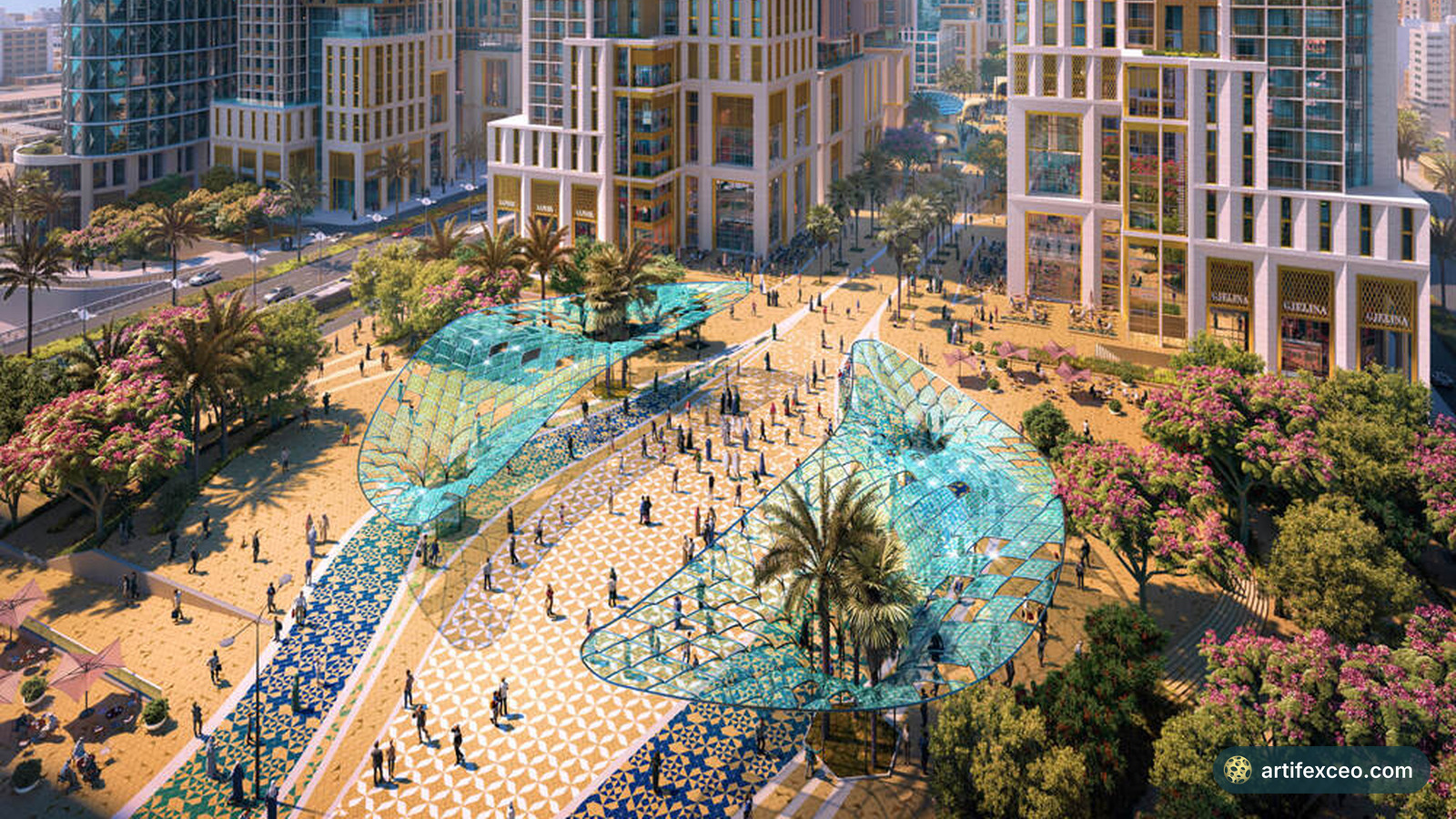
Development activity focused on project execution, particularly infrastructure delivery. Diriyah was among the most active destinations, with approximately SAR 2.73 billion in contracts awarded for hospitality and residential developments within Diriyah Square, including six luxury hotels and branded residential offerings. Nationwide transaction values reached SAR 24.4 billion in August, of which residential accounted for 73 percent, or SAR 17.9 billion.
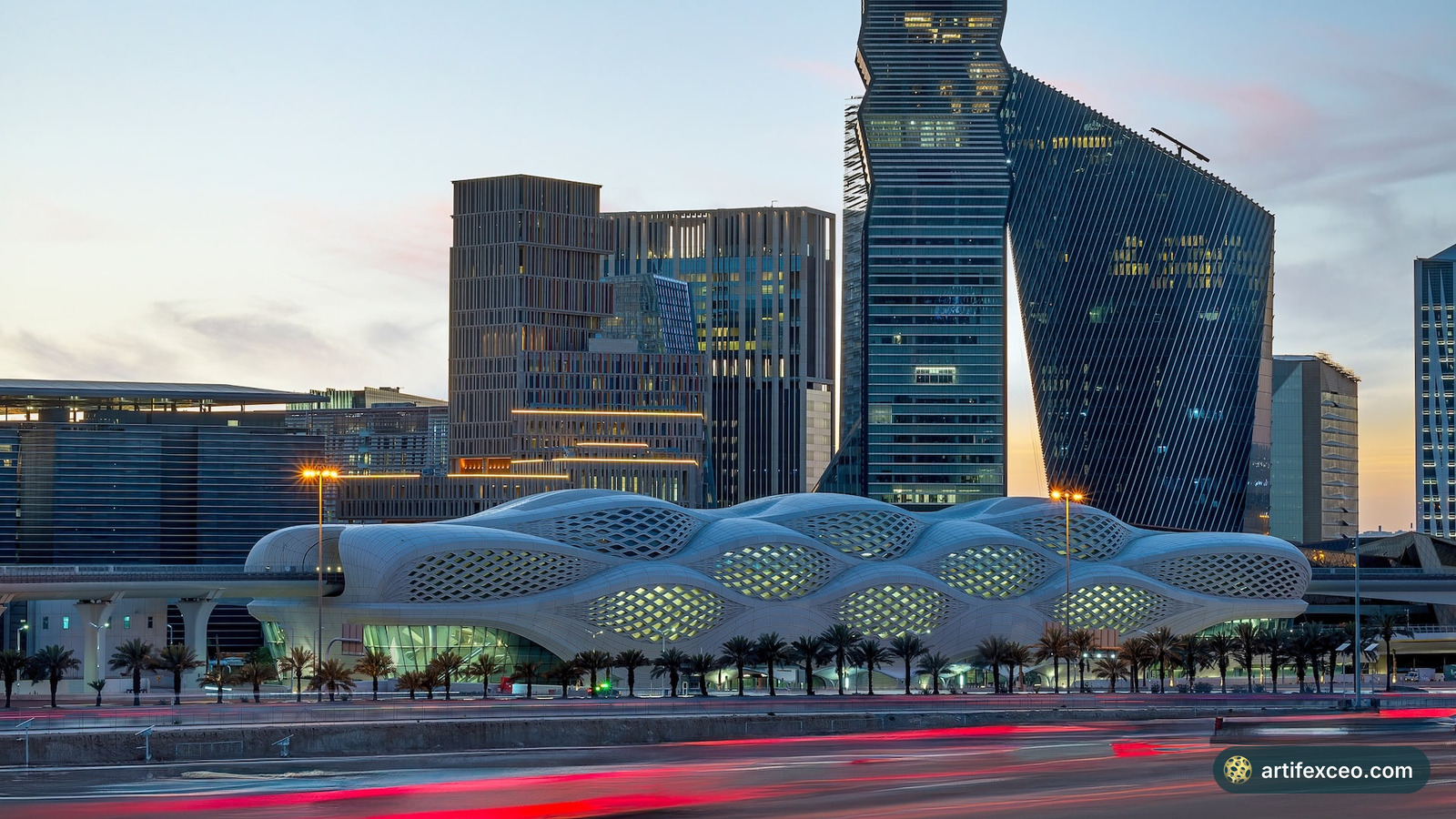
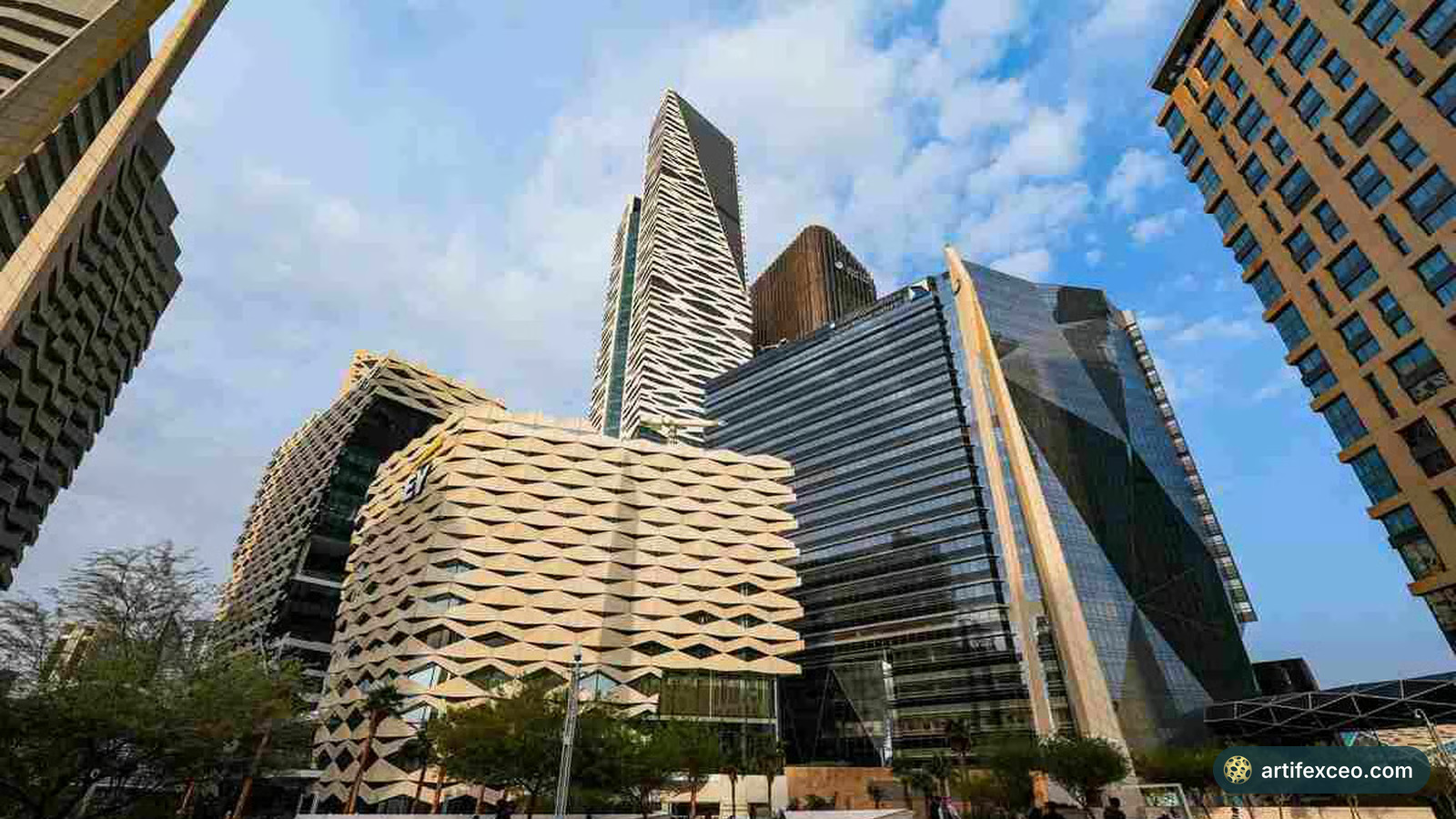
The office sector remained among the strongest segments, with demand from multinationals, regional headquarters and expanding domestic firms outpacing supply. Grade A occupancy in Riyadh reached about 97 percent in the quarter, and King Abdullah Financial District was close to full at around 99 percent. Prime office rents rose 3 percent year-on-year to SAR 3,320 per square meter per annum, while average Grade A rents stood at SAR 2,570.
Riyadh's office stock exceeds 6.3 million square meters, and about 1.7 million square meters is scheduled for delivery between late 2026 and 2028.
Residential performance was more mixed, with affordability and accessibility important for buyers and tenants. Nationwide residential transaction values fell 8 percent year-on-year and volumes fell 7 percent, while average apartment prices per square meter decreased 3.6 percent. Riyadh outperformed, with apartment prices up 2.3 percent annually. Apartment rents rose 5 percent in Al Sulaymaniyah and 4 percent in both Al Nasim Al Gharbi and Al Yarmouk, showing strong demand in selected neighbourhoods.
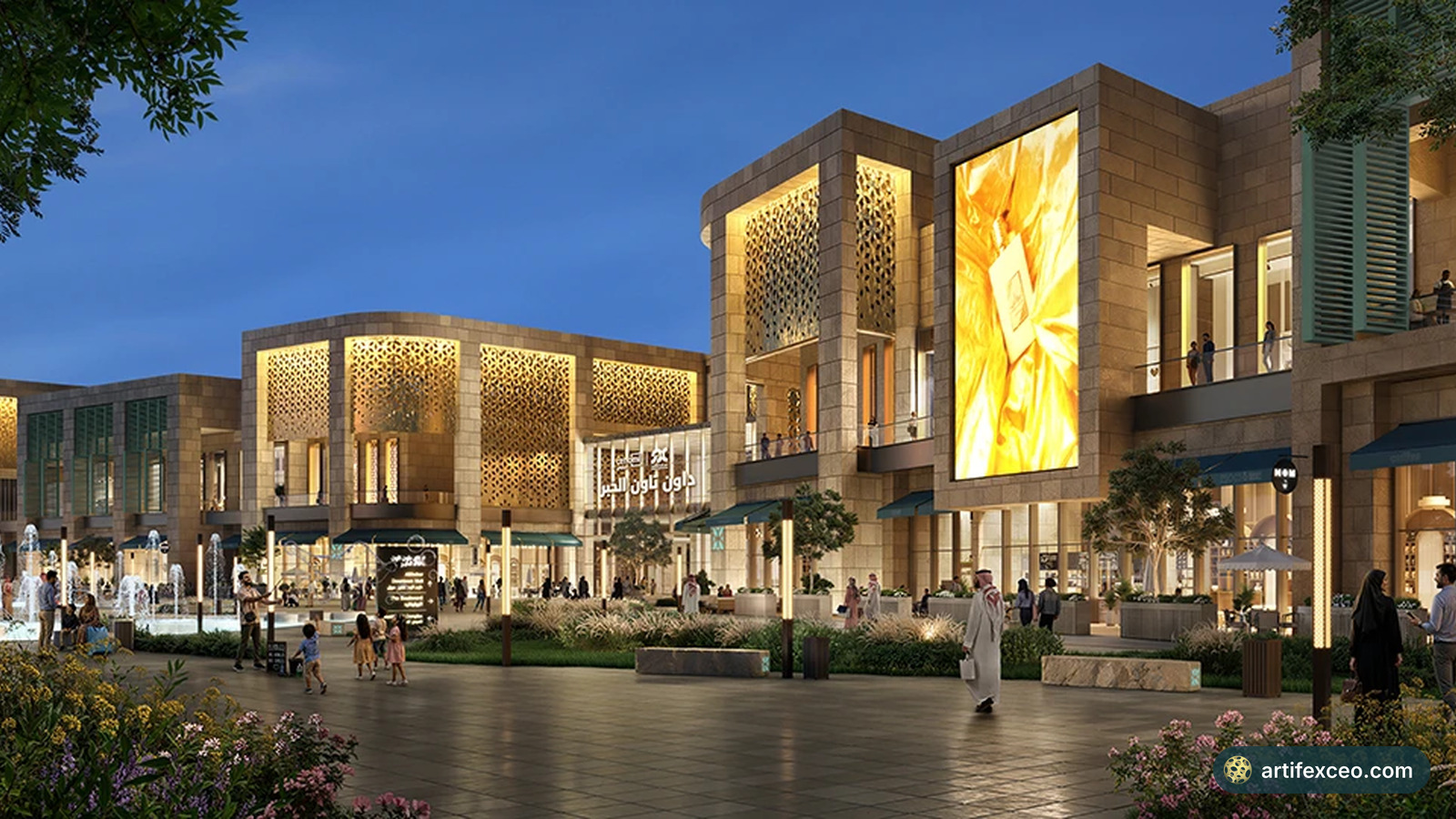
Retail fundamentals stayed positive, backed by domestic consumer spending and new destinations. Point-of-sale spending rose 3.5 percent to SAR 13.37 billion over a seven-day period ending in September, with hotels, recreation, restaurants and cafés all posting double-digit growth. Westfield Riyadh is expected to add about 120,000 square meters of retail space by the end of the year, and The Avenues Riyadh is another major addition to the pipeline.
In hospitality, domestic tourism helped offset weaker international travel. Domestic trips rose 16 percent year-on-year in the first quarter of 2026 to 28.9 million, and total tourist numbers rose 8 percent to 37.2 million, while inbound arrivals fell 13 percent to 8.3 million. Tourism spending declined 2 percent to SAR 82.7 billion. Even so, September hotel average daily rate rose 3.7 percent and RevPAR rose 3.3 percent year-on-year.
Industrial and logistics real estate gained from rising occupier demand and supply chain investment. The Saudi Ports Authority reported cumulative investments of about SAR 14.6 billion across ports and logistics, and developer ESR announced a new platform for Saudi Arabia and the UAE with a pipeline above three million square meters. Riyadh East rents averaged SAR 313 per square meter per annum, up 15.1 percent, while Jeddah South rose 16.7 percent to SAR 217, the strongest rental growth nationally.
Matthew Green, Head of Research at CBRE MENA, said the sector continues to benefit from long-term drivers across infrastructure, tourism, logistics and urban development. He noted that the operating environment had become more cautious since March, yet occupier demand in key sectors remained robust and development continued to progress. He expects investment and development activity to keep supporting the market, citing public and private investment, a substantial project pipeline and continued delivery of Vision 2030 initiatives.